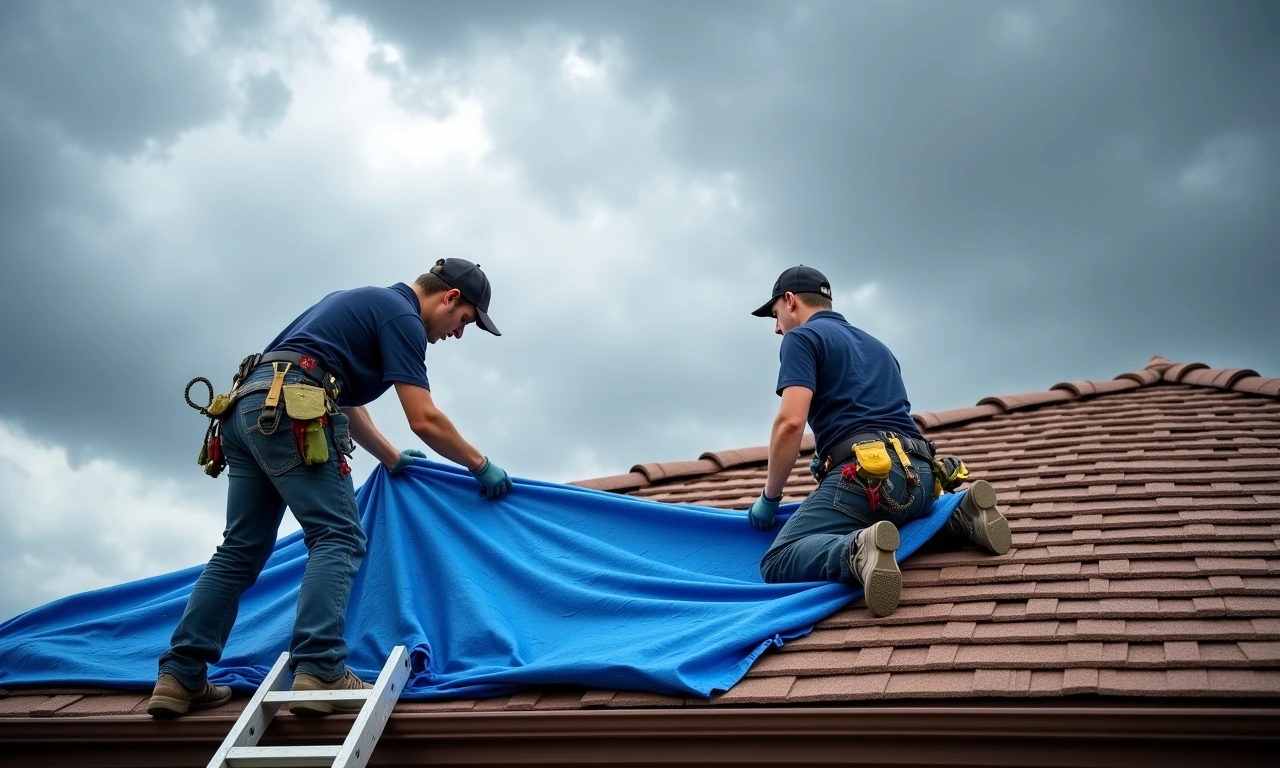
Tucson homeowners deal with a unique set of challenges when it comes to maintaining their roofs. Between prolonged sun exposure, temperature fluctuations, and seasonal monsoon storms, roofing systems in Southern Arizona are exposed to conditions that can accelerate wear over time.
While many roofing issues develop gradually, understanding the most common problems can help homeowners identify concerns early and avoid more costly repairs down the road.
Heat and UV Damage
One of the most significant factors affecting roofs in Tucson is prolonged exposure to heat and ultraviolet (UV) radiation. Over time, this exposure can break down roofing materials, particularly underlayment and protective coatings.
In tile roofing systems, the tiles themselves may remain intact while the underlying materials deteriorate. This can create hidden vulnerabilities that are not always visible from the ground, but is one of the leading causes of roof repairs in Tucson.
Cracked or Displaced Roof Tiles
Tile roofs are common throughout Tucson, but they are not immune to damage. Tiles can crack due to thermal expansion, impact, or natural aging. In some cases, tiles may shift out of position, leaving sections of the roof exposed.
Even minor tile damage can allow moisture to reach the underlayment, especially during periods of heavy rain.
Underlayment Deterioration
Underlayment plays a critical role in protecting a home from water intrusion. In Arizona’s climate, underlayment can degrade over time due to heat exposure, even if the outer roofing materials appear to be in good condition.
Once the underlayment begins to fail, the risk of leaks increases significantly.
Flat Roof Drainage Issues
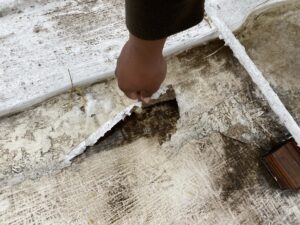
Flat and low-slope roofs are also common in Tucson, particularly on residential additions and commercial buildings. These systems can experience issues related to drainage, including ponding water and clogged outlets.
Standing water can accelerate material wear and lead to leaks if not properly addressed.
Flashing and Seal Failures
Roof flashing, which helps seal areas around vents, chimneys, and roof transitions, can deteriorate over time. When flashing fails, water can enter vulnerable areas of the roof, often leading to localized damage.
Sealants used around penetrations may also dry out or crack under prolonged sun exposure.
The Importance of Early Detection
Many roofing problems begin as minor issues that can be addressed relatively easily if caught early. However, without regular inspections, these small concerns can develop into more extensive damage.
Homeowners may not notice problems until visible signs appear, such as water stains, damaged ceilings, or missing roofing materials.
According to DC Roofing of Arizona, many of the issues seen during service calls have been developing for months or even years before being identified. Addressing these problems early can help extend the lifespan of a roofing system and reduce long-term costs.
When to Schedule an Inspection
Homeowners should consider having their roof inspected if they notice:
- cracked or missing tiles
- signs of water intrusion
- aging roofing materials
- visible wear following storms
Regular inspections can help identify potential issues before they become urgent.
For additional details about how roofing concerns develop in Tucson homes, the company’s recent industry update can be found here:
https://pressadvantage.com/story/90390-dc-roofing-of-arizona-expands-operations-with-new-location

