
Roofing Contractors Tucson: A Comprehensive Guide
Introduction
Welcome to an extensive exploration of the vital role played by roofing contractors in Tucson, a city known for its diverse climate and architectural landscapes. This article aims to delve into the intricacies of this industry, highlighting its significance, global reach, and the transformative power it holds over urban environments. By examining various facets, from historical roots to cutting-edge technologies, we will uncover the essential elements shaping the roofing contractor landscape in Tucson and beyond.
Understanding Roofing Contractors Tucson
Definition and Core Components
Roofing contractors in Tucson are specialized construction professionals responsible for installing, repairing, and maintaining roofs on residential, commercial, and industrial properties. Their expertise encompasses a wide range of materials, including asphalt shingles, metal roofing, tile, slate, and flat roof systems. The core services offered include:
- Installation: Fitting new roofs onto buildings, ensuring proper drainage and ventilation systems are integrated.
- Repair and Maintenance: Identifying and fixing leaks, damaged shingles or flashing, and performing routine upkeep to extend roof lifespan.
- Replacement: Removing old, deteriorated roofs and installing new ones, often involving significant structural considerations.
- Roof Inspection: Conducting thorough inspections to assess roof condition, identify potential issues, and provide expert advice.
Historical Context and Significance
The history of roofing contractors is deeply intertwined with the evolution of human shelters and construction techniques. In ancient times, roofs were primarily designed for protection against the elements, utilizing materials like thatch, wood, and stone. As civilizations advanced, so did roof construction, incorporating brick, tile, and metal. In Tucson, the historical landscape has been shaped by a unique blend of traditional styles and modern innovations, reflecting the region’s cultural diversity and adaptive architecture.
Today, roofing contractors play a critical role in:
- Weather Protection: Ensuring buildings are secure against harsh weather conditions prevalent in Tucson, such as intense sunshine, powerful winds, and occasional rainfall.
- Energy Efficiency: Installing energy-efficient roofing materials that contribute to reduced heating and cooling costs for homeowners and businesses.
- Aesthetics: Collaborating with architects and designers to create visually appealing roofs that enhance the overall architectural appeal of structures.
- Safety: Adhering to safety standards and regulations, ensuring the well-being of occupants and workers alike.
Global Impact and Trends
International Influence
The impact of roofing contractors extends far beyond Tucson’s borders, with industry trends and practices resonating globally. The demand for specialized roofers is driven by:
- Urbanization: Rapid city growth in developing nations increases the need for skilled roofers to meet housing and infrastructure demands.
- Weather Extremes: Regions experiencing severe weather patterns require robust roofing solutions, driving innovation in materials and techniques.
- Cultural Diversity: Tucson’s cultural heritage is reflected in its architecture, influencing roof designs and materials worldwide.
Global Trends Shaping the Industry
- Sustainable Roofing: There is a growing emphasis on eco-friendly materials and practices, with a focus on energy efficiency and reduced environmental impact.
- Technological Integration: Advancements in technology are revolutionizing roofing, from drone inspections to smart roof systems.
- Specialized Services: As buildings become more complex, specialized contractors catering to specific roof types (e.g., flat roofs, historic preservation) are in high demand.
- Global Standardization: International building codes and regulations are harmonizing practices, ensuring consistent quality worldwide.
Regional Variations
Different regions face unique challenges and embrace distinct roofing styles:
- North America: Known for its diverse climate, North America demands versatile roofing solutions. Metal roofing gains popularity due to its durability and low maintenance.
- Europe: European architecture often showcases intricate roof designs, with a focus on traditional craftsmanship and historic preservation.
- Asia: Rapid urbanization in Asia leads to high-density housing, necessitating efficient and space-saving roofing systems.
- Latin America: The region’s warm climates favor reflective roofing materials, while cultural influences encourage vibrant, decorative roofs.
Economic Considerations
Market Dynamics
The roofing contractor industry is a significant contributor to Tucson’s economy, with several economic factors at play:
- Construction Boom: Tucson’s thriving construction sector drives demand for roofing services, creating employment opportunities and boosting local businesses.
- Homeownership Rate: A high percentage of homeowners seeks roof repair and replacement services, providing a steady stream of work for contractors.
- Commercial Growth: The expansion of commercial properties, including retail centers and office buildings, increases the need for specialized roofing expertise.
Investment Patterns
- Residential Roofing: Homeowners invest in roofing to protect their assets, with a focus on high-quality materials and energy efficiency.
- Commercial Ventures: Businesses prioritize long-term cost savings and structural integrity, leading to substantial investments in commercial roofing projects.
- Government Projects: Municipal authorities allocate funds for roof replacements on public buildings and infrastructure, contributing to the industry’s growth.
Economic System Role
Roofing contractors contribute to Tucson’s economy in several ways:
- Job Creation: They employ a considerable workforce, including skilled tradespeople, supporting local employment rates.
- Revenue Generation: The industry generates substantial revenue, circulating funds within the local community and contributing to overall economic health.
- Supply Chain Impact: Contractors rely on a network of suppliers for materials, fostering local and regional businesses and enhancing economic diversity.
Technological Advancements
Innovations in Roofing
Technological progress has revolutionized roofing contracting:
- Drone Inspections: High-resolution drones equipped with thermal imaging cameras enable efficient and safe roof inspections, identifying damage or anomalies.
- Smart Roofs: Integrating technology into roofs allows for real-time monitoring of structural health, energy performance, and weather conditions.
- 3D Modeling: Advanced 3D modeling software assists in designing complex roofs, improving accuracy and streamlining construction processes.
- Robotic Shingle Installers: These machines enhance efficiency by accurately installing shingles at a faster rate than manual labor.
Impact on the Industry
Technological advancements offer numerous benefits:
- Increased Safety: Drones and smart roofs reduce the risk to contractors, especially in challenging conditions.
- Efficiency Boost: Automation streamlines processes, allowing contractors to manage more projects with reduced labor costs.
- Enhanced Customer Experience: Advanced technology enables roofing contractors to provide personalized services, ensuring client satisfaction.
- Longer Roof Lifespan: Improved installation techniques and materials contribute to extended roof durability.
Future Potential
The future holds immense potential for technological integration:
- AI-Assisted Design: Artificial intelligence can analyze building blueprints and suggest optimal roofing solutions, enhancing design efficiency.
- Internet of Things (IoT): IoT devices integrated into roofs will enable remote monitoring and predictive maintenance, reducing unexpected repairs.
- Advanced Materials: Research in composite materials promises lighter, stronger, and more sustainable roofing options.
- Virtual Reality (VR): VR technology can offer immersive training experiences for apprentices, revolutionizing skill development.
Policy and Regulation
Governance of Roofing Contractors
The roofing contractor industry in Tucson is subject to various policies and regulations that ensure quality, safety, and ethical practices:
- Building Codes: Local governments enforce building codes that dictate minimum standards for roof construction, materials, and installation.
- Licensing and Registration: Contractors must obtain licenses and register with the relevant authorities, ensuring they meet specific qualifications and insurance requirements.
- Safety Regulations: Strict guidelines are in place to protect workers and ensure safe working conditions, including fall protection measures.
- Environmental Compliance: Contractors must adhere to regulations regarding waste disposal, especially when using hazardous materials.
Influence on Industry Development
Regulatory frameworks play a pivotal role:
- Standardization: Building codes promote standardization, ensuring consistent quality across roofing projects in Tucson.
- Consumer Protection: Licensing and registration protect homeowners by verifying contractor competence and financial stability.
- Safety Culture: Strict safety regulations foster a culture of awareness, minimizing risks on construction sites.
- Sustainable Practices: Environmental policies encourage the use of eco-friendly materials and methods, aligning with global sustainability goals.
Challenges and Criticisms
Overcoming Obstacles
Despite its growth, the roofing contractor industry faces several challenges:
- Skilled Labor Shortage: The demand for skilled roofers exceeds supply, leading to labor shortages and increased competition for contractors.
- Material Costs: Fluctuating material prices can impact project budgets, especially for smaller contractors.
- Regulatory Compliance: Keeping up with evolving regulations and codes is a continuous challenge, requiring ongoing training and investment in resources.
- Customer Expectations: Rising expectations regarding quality, efficiency, and sustainability put pressure on contractors to deliver exceptional services.
Proposed Solutions
To address these issues:
- Training Programs: Public-private partnerships can develop comprehensive training programs to attract and educate the next generation of roofers.
- Material Sourcing Strategies: Contractors can secure long-term supply agreements with suppliers to mitigate price volatility.
- Digital Adoption: Implementing digital tools and technologies can streamline regulatory compliance and improve efficiency.
- Industry Collaboration: Collaborating on best practices and knowledge sharing can enhance the overall industry standard.
Case Studies: Successful Applications
Real-World Examples
1. Historic Preservation in Downtown Tucson
In the heart of downtown Tucson, a roofing contractor played a pivotal role in preserving a historic building’s architectural integrity. The project involved repairing and replacing the roof on a turn-of-the-century structure, utilizing traditional materials to match the building’s character. Through meticulous craftsmanship, the contractor ensured the roof’s structural soundness while enhancing the building’s aesthetic appeal, winning accolades for their expertise.
2. Energy-Efficient Commercial Roof
A local roofing contractor partnered with a green energy company to install an innovative, energy-efficient roof on a major commercial center. The project featured a reflective membrane and a sophisticated ventilation system, significantly reducing the building’s energy consumption. This case study highlights the industry’s ability to contribute to sustainability goals while providing cost-effective solutions for businesses.
3. Disaster Relief Roofing Efforts
After a severe storm hit Tucson, local roofing contractors rallied to provide emergency roof repairs for affected homes and businesses. Their swift action and skilled labor helped restore critical shelter and reduced the impact of the disaster on the community. This case study exemplifies the industry’s resilience and dedication to community support during challenging times.
Future Prospects
Growth Areas
- Sustainable Urban Development: Tucson’s focus on sustainable city planning presents opportunities for contractors specializing in green roofing and eco-friendly materials.
- Smart Cities: The integration of smart technology offers scope for roofers to play a role in creating interconnected, efficient urban environments.
- Residential Remodels: With an aging housing stock, there is a growing demand for roofing services related to home renovations and upgrades.
Emerging Trends
- Solar Integration: Integrating solar panels into roofs gains popularity, providing homeowners with energy generation capabilities.
- Modular Roof Systems: These systems offer faster installation times and greater flexibility in design, catering to the diverse architectural landscape of Tucson.
- Digital Twin Technology: Creating digital replicas of physical structures allows contractors to simulate roof designs and perform virtual repairs before actual construction.
Strategic Considerations
- Diversification: Contractors can expand their service offerings to include a broader range of roofing types and specialized services.
- Technological Adoption: Investing in technology will be crucial for staying competitive, enhancing efficiency, and appealing to tech-savvy clients.
- Community Engagement: Building strong relationships with local communities and businesses can lead to recurring projects and positive word-of-mouth referrals.
Conclusion: Shaping the Future of Roofing in Tucson
The roofing contractor industry in Tucson is a dynamic and vital component of the city’s construction and economic landscape. From historical preservation to modern innovations, these professionals play an indispensable role in safeguarding and enhancing Tucson’s architectural tapestry. As the city continues to evolve, so too will the industry, embracing technological advancements, sustainable practices, and emerging trends.
By understanding the past, present, and future of roofing contractors, we can appreciate their contributions to urban development, safety, and aesthetics. This comprehensive guide aims to equip readers with valuable insights, encouraging informed discussions and strategic decision-making within the industry.
FAQ Section
Q: How do I choose a reputable roofing contractor in Tucson?
A: Look for contractors with valid licenses, insurance, and positive customer reviews. Ask for references, verify their work history, and ensure they specialize in your specific roofing needs.
Q: What are the signs my roof needs repair?
A: Look out for missing or loose shingles, water stains on ceilings or walls, flashing damage, or uneven roof surfaces. These indicators suggest potential leaks or structural issues.
Q: Are there tax incentives for energy-efficient roofing in Tucson?
A: Yes, Tucson and Pima County offer various incentives, including property tax exemptions and rebates, for homeowners and businesses installing energy-efficient roofing systems.
Q: How often should I get my roof inspected?
A: It’s recommended to have a professional roof inspection every 2-3 years, or more frequently if your roof is older or has experienced significant weather events. Regular inspections can help catch issues early.
Q: Can roofing contractors help with insurance claims?
A: Absolutely! Roofing contractors experienced in handling insurance claims can guide you through the process, ensuring proper documentation and facilitating efficient repairs or replacements.
Choosing roofing contractors Tucson involves verifying licenses, insurance, experience, and a proven track record for reliability. Key services include new installations, repairs, maintenance, and replacements using high-quality materials and advanced techniques for durability. Ethical practices include clear communication, transparent pricing, timely completion, detailed contracts with warranties, and compliance with local standards. Select licensed professionals familiar with Tucson's climate and building codes to safeguard your home's longevity, curb appeal, and energy efficiency.
Tucson residents deserve reliable and expert roofing solutions for their homes. With the region’s unique climate and diverse architectural styles, choosing the right roofing contractors is essential to ensure your property’s protection and aesthetic appeal. However, navigating the market can be challenging, given the abundance of options available. This article provides an authoritative guide to Tucson-based roofing contractors specializing in residential properties. We’ll delve into their expertise, services, and what sets them apart, empowering you to make informed decisions for your home’s roofing needs.
Choosing Reliable Roofing Contractors Tucson Residents Trust
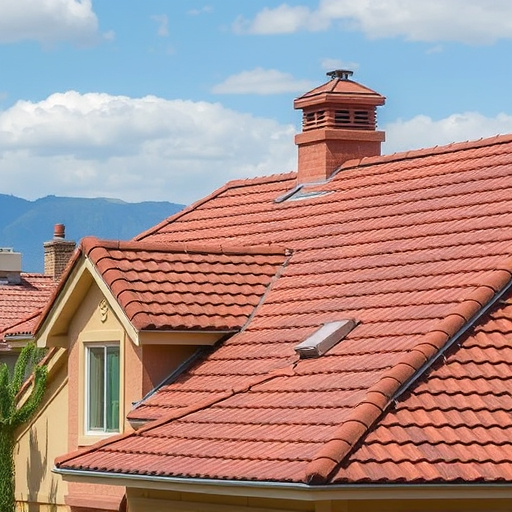
When Tucson residents consider roofing projects for their homes, choosing reliable roofing contractors is a top priority. This decision impacts the longevity of the roof, the home’s curb appeal, and even energy efficiency. Trusted roofing contractors in Tucson are more than just workers; they are experts who understand local building codes, climate challenges, and the unique needs of the region. For instance, Arizona’s intense sunlight requires roofs that can withstand high heat and UV exposure, leading many top-tier contractors to specialize in reflective or cool roofing materials.
Reliability stems from a contractor’s experience, reputation, and professional credentials. Licensed roofing professionals in Tucson bring a wealth of knowledge and expertise to every project, ensuring compliance with local regulations and safety standards. They also offer peace of mind through insurance coverage, protecting both the contractor and the homeowner from unforeseen circumstances. A contractor’s portfolio can reveal their quality of work and commitment to customer satisfaction, showcasing completed projects and satisfied client testimonials.
Beyond credentials, a reliable roofing contractor in Tucson should demonstrate ethical business practices. Clear communication, transparent pricing, and timely project completion are hallmarks of professional service. Contract agreements that detail the scope of work, materials used, timelines, and warranties ensure both parties are on the same page. By selecting licensed roofing professionals who prioritize customer satisfaction and quality workmanship, Tucson residents can trust their roofs are in capable hands, ensuring protection for years to come.
Understanding The Services Offered By Top Tucson Roofing Contractors
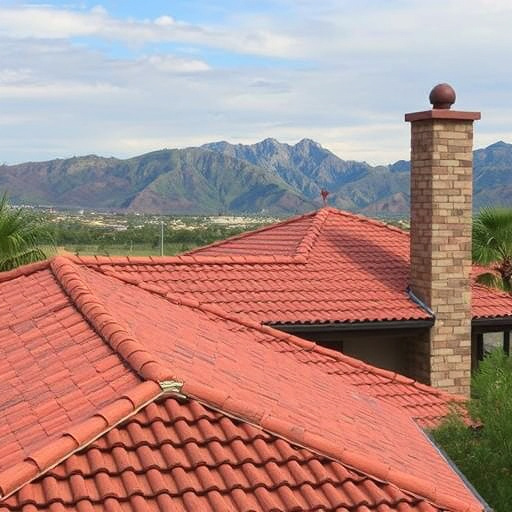
Tucson residents looking to protect their homes from the region’s diverse weather patterns turn to roofing contractors for essential services. Top Tucson roofing contractors offer a range of specialized services designed to meet the unique challenges posed by Arizona’s climate, from intense heat and monsoon storms to occasional snow and freezing temperatures. These professionals not only install new roofs but also provide crucial repairs, maintenance, and replacements for all types of roofing systems.
Licensed roofing professionals in Tucson are well-versed in various roof styles, from traditional tile and shingle to more modern metal and flat roof options. They employ advanced techniques and high-quality materials to ensure durability, energy efficiency, and aesthetic appeal. For example, many contractors now offer cool roofs, which reflect sunlight rather than absorbing it, helping to reduce indoor temperatures and lower cooling costs. Additionally, they provide expert advice on storm damage repairs, leveraging industry knowledge and access to insurance claim processes for seamless recovery from severe weather events.
Beyond installation and repair, these contractors excel in preventive maintenance, scheduling regular inspections to identify potential issues early. They clean gutters, inspect shingles for damage, seal leaks, and ensure proper ventilation—all crucial steps in prolonging roof lifespan. When a replacement becomes necessary, licensed roofing professionals in Tucson guide clients through the selection process, considering factors like local climate, architectural style, and budget. By understanding the specific needs of Tucson homes, these experts deliver tailored solutions, ensuring residences are protected against the region’s environmental demands.
Factors To Consider When Hiring roofing contractors tucson For Home Repairs
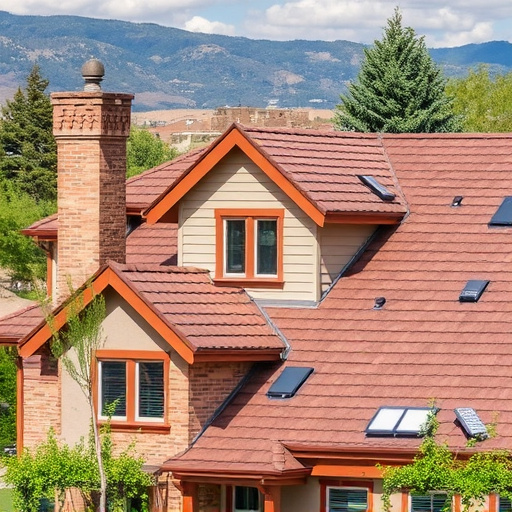
When hiring roofing contractors Tucson for residential property repairs, it’s crucial to consider several factors to ensure a successful project and protect your investment. First and foremost, verify that the contractor is licensed and insured. Licensing ensures they meet local standards and have the required expertise, while insurance safeguards both you and the contractor in case of accidents or damage during the repair process. Reputable roofing contractors Tucson should readily provide these details upon request.
Beyond licensure, check the contractor’s reputation. Ask for references and contact previous clients to gauge their satisfaction with the work performed and the level of service provided. Online reviews can also offer valuable insights into a company’s reliability and workmanship. It’s essential to choose licensed roofing professionals who have a proven track record in your area, as they’ll be familiar with local building codes and weather patterns that impact roof repair or replacement.
Another critical aspect is communication and transparency. Effective roofing contractors Tucson will listen to your concerns, offer detailed explanations, and provide clear proposals outlining the work involved, materials used, and pricing. Be wary of contractors who pressure you into making immediate decisions or those who avoid discussing potential issues and solutions. Lastly, ensure there’s a warranty included with the services rendered; this protects you from future repairs and demonstrates the contractor’s confidence in their workmanship.
When Tucson residents seek reliable roofing solutions for their homes, choosing the right roofing contractors is paramount. This article has equipped readers with a comprehensive understanding of the services provided by top-tier Tucson roofing contractors, enabling them to make informed decisions. By highlighting key factors like experience, licensing, and customer reviews, we’ve guided homeowners through the process of hiring these specialists. Now, residents can confidently navigate the selection, ensuring their homes receive expert care and protection. The insights shared here serve as a practical guide for anyone in need of roofing repairs or installations, fostering a safer and more secure residential environment in Tucson.